Kushtaka
Overview
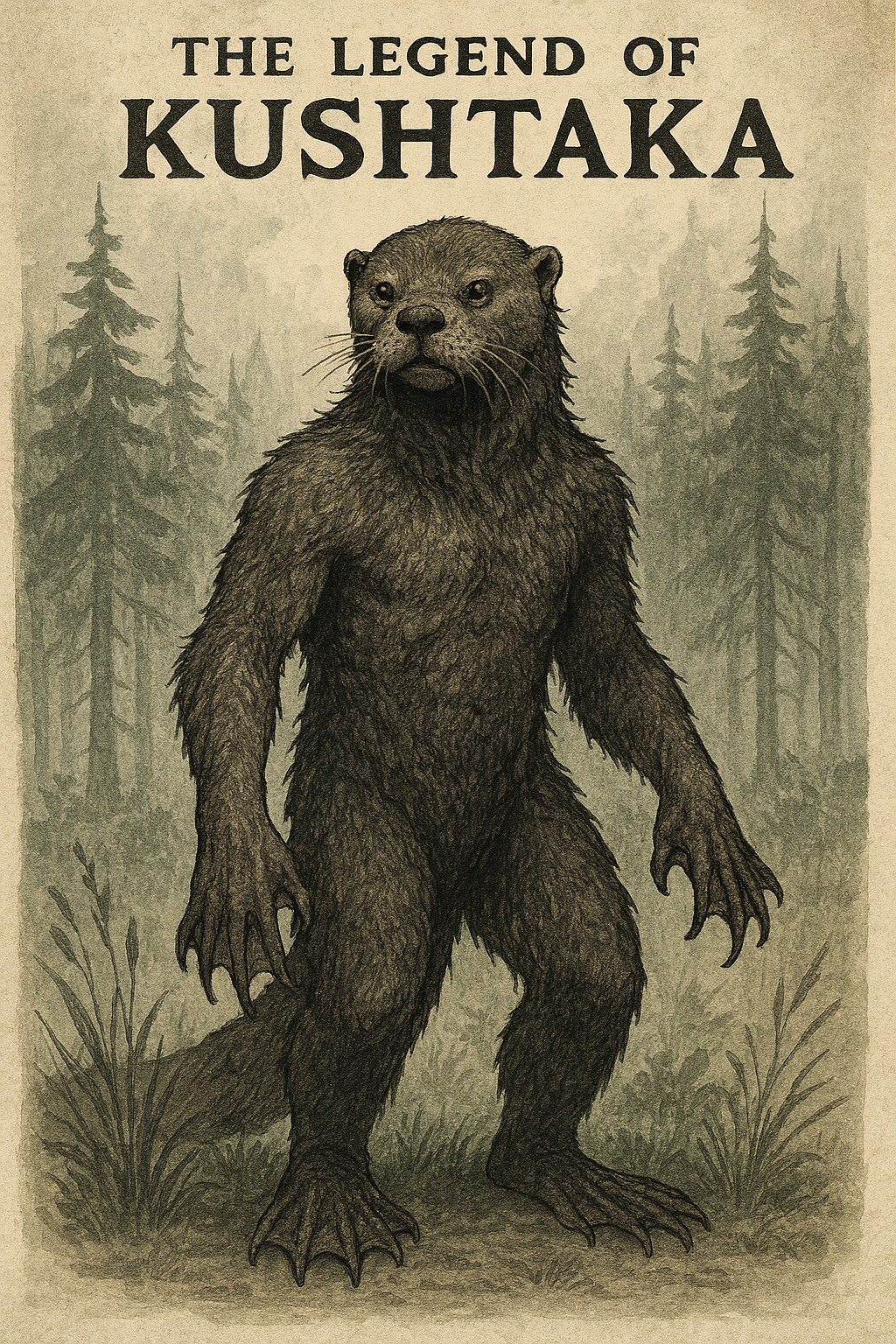
Description
The Legend of Kushtaka: Alaska’s Shape-Shifting Otter Men
Introduction
Deep in the misty forests and icy waterways of Southeast Alaska lurks one of the most enigmatic figures in North American folklore: the Kushtaka, or “land otter man.” Rooted in the oral traditions of the Tlingit and Tsimshianpeoples, this shape-shifting being straddles the line between myth and cryptid, inspiring awe, fear, and endless speculation. Unlike Bigfoot or the Loch Ness Monster, the Kushtaka is not merely a beast—it is a supernatural entity with motives as complex as the wilderness it inhabits.
In this article, we’ll explore the origins of the Kushtaka legend, its physical and supernatural traits, cultural significance, modern sightings, and why this otter-like shapeshifter continues to captivate cryptid enthusiasts and anthropologists alike.
Origins of the Kushtaka Legend
The word Kushtaka translates to “land otter man” in the Tlingit language. These stories emerged among the Tlingit and Tsimshian tribes of Southeast Alaska, whose lives were deeply intertwined with the coastal environment. Otters—playful, intelligent, and elusive—served as the perfect model for a creature that could embody both benevolence and malevolence.
Why Otters?
Otters were revered for their adaptability and cunning. In a harsh environment where survival often depended on respect for nature, the Kushtaka became a cautionary figure—a reminder that the wilderness is both nurturing and deadly.
Physical Description and Abilities
The Kushtaka is described as a shapeshifter, capable of transforming between:
- Human form (often appearing as a lost traveler or familiar face)
- Otter form (sleek, fur-covered, aquatic)
- Hybrid form (human body with otter-like features such as webbed hands, glowing eyes)
Supernatural Powers
- Mimicry: Kushtaka can imitate human voices, often crying like a baby or screaming like a woman to lure victims.
- Illusion Casting: They create visions of loved ones to disorient travelers.
- Transformation: Victims may be turned into Kushtaka themselves, losing their humanity and, according to legend, their chance at reincarnation.
- Weather Control: Some stories claim Kushtaka can summon fog or storms to trap sailors.
Signature Sound
A chilling three-part whistle—low-high-low—is said to announce their presence.
Dual Nature: Protector or Predator?
One of the most fascinating aspects of Kushtaka lore is its moral ambiguity:
- Malevolent Tales: Kushtaka lures victims to rivers, drowns them, or tears them apart.
- Benevolent Tales: In other stories, Kushtaka saves lost travelers from freezing by transforming them into otters, allowing them to survive in the cold.
This duality reflects the Tlingit worldview: nature is neither wholly good nor evil—it is powerful and must be respected.
Cultural Significance
For indigenous communities, Kushtaka stories served as:
- Cautionary Tales: Warning children not to wander near water alone.
- Spiritual Lessons: Emphasizing humility and respect for the natural world.
- Shamanic Symbolism: Kushtaka often appears in narratives involving spiritual transformation and the blurred line between human and animal realms.
Traditional defenses against Kushtaka include copper, fire, dogs, and even urine, highlighting the blend of practical and mystical beliefs in these legends.
Modern Sightings and Cryptid Status
While many dismiss Kushtaka as pure folklore, cryptid researchers and locals report eerie encounters:
- Fishermen’s Accounts: Strange otter-like creatures following boats, emitting guttural cries.
- Trail Cam Footage: Alleged images of humanoid-otter hybrids in remote Alaskan wilderness.
- Auditory Evidence: Reports of the distinctive whistle in isolated regions.
Skeptics attribute these sightings to misidentified wildlife or psychological effects of isolation, but believers argue the consistency of details across centuries suggests something more.
Comparative Mythology
Kushtaka shares traits with global shape-shifter myths:
- European Sirens: Luring sailors with voices.
- Native American Skinwalkers: Transforming between forms.
- Bukwus of British Columbia: Spirit beings tied to water and death.
Kushtaka in Popular Culture
The legend has inspired:
- Books: Shamans and Kushtakas by Mary Giraudo Beck.
- Novels: The Beast of Barcroft and Hold the Dark.
- Media: Documentaries and YouTube cryptid investigations.
Why the Legend Endures
The Kushtaka persists because it embodies universal fears and fascinations:
- Fear of isolation and the unknown.
- The allure of transformation and forbidden knowledge.
- The tension between civilization and wilderness.
In an age of GPS and smartphones, the idea that something ancient and cunning still lurks in Alaska’s wild places is irresistible.
Behavior
Shapeshifts, mimics sounds, lures victims
Reported Sightings (0)
No reported sightings yet.
Geographic Distribution
Alaska, USA
Coastal waters, rivers, forests
Characteristics
3-6 feet (varies)
Historical Context
Ancient Tlingit legends
Tlingit indigenous mythology