Keith Plantation
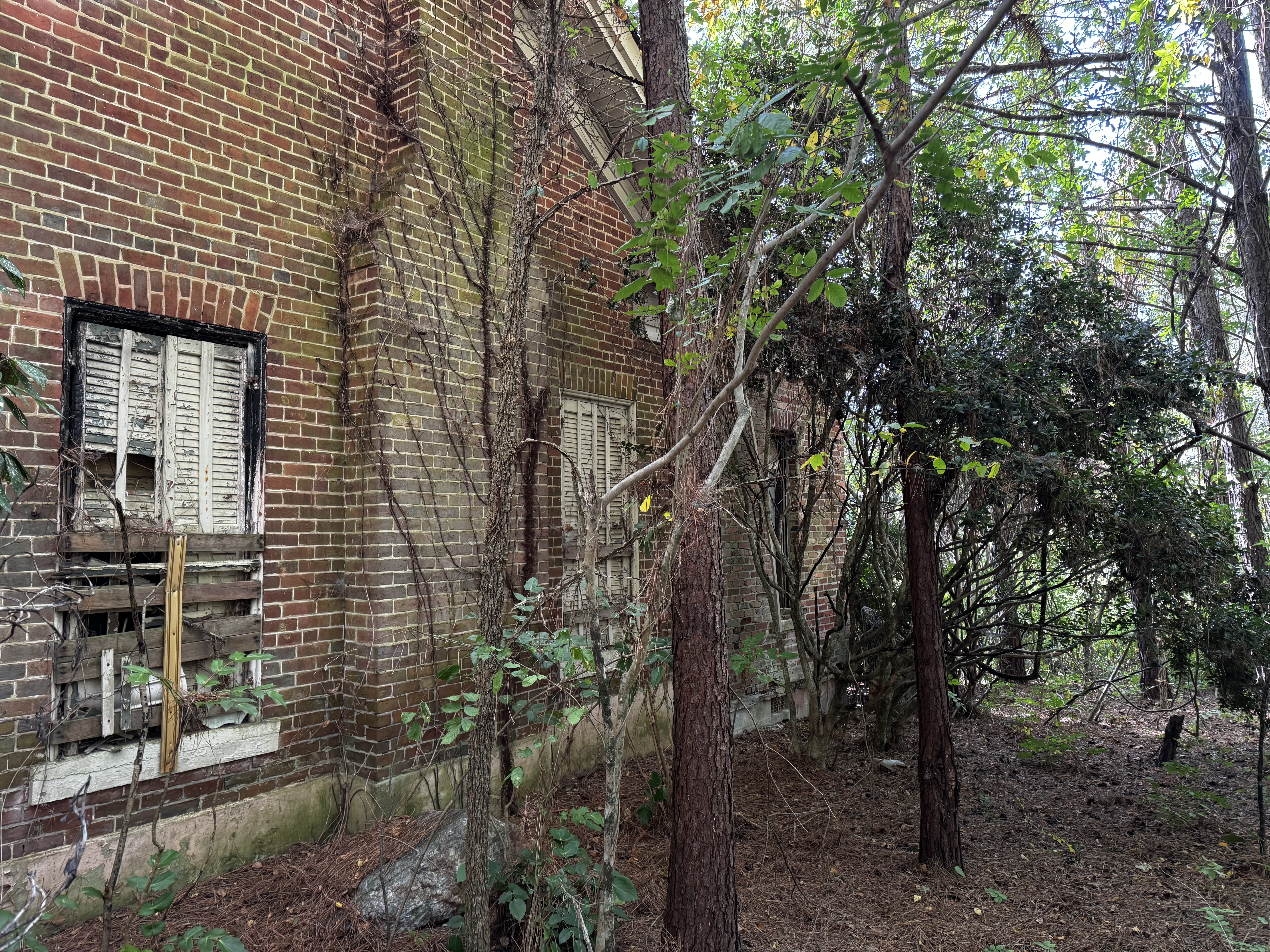
The History and Hauntings of Keith Plantation (Canton, Georgia)
Early Origins and Setting
Nestled along the Etowah River in Cherokee County, the Keith Plantation was once a sprawling estate of more than 3,000 acres. Owned by the Keith family, it became one of the most prominent plantations in the region. Its location along the river made it both fertile and strategic, a place where agriculture thrived and where generations of the Keith family left their mark.
Civil War and the Burning of the House
During the Civil War, the Keith Plantation endured a dramatic chapter. Union troops advanced through the area, and the Keith family tried desperately to hide their food, valuables, and supplies. Despite their efforts, soldiers discovered some of the hidden provisions, resulting in a brutal reprisal: the plantation house was set ablaze, and Mackey A. Keith Jr. was reportedly hanged from a tree. Miraculously, the story goes, the rope caught on the tree, saving his life. Local lore suggests that he was cut down by those who cared for him, perhaps the same enslaved people who had long worked on the plantation.
Rebuilding After the War
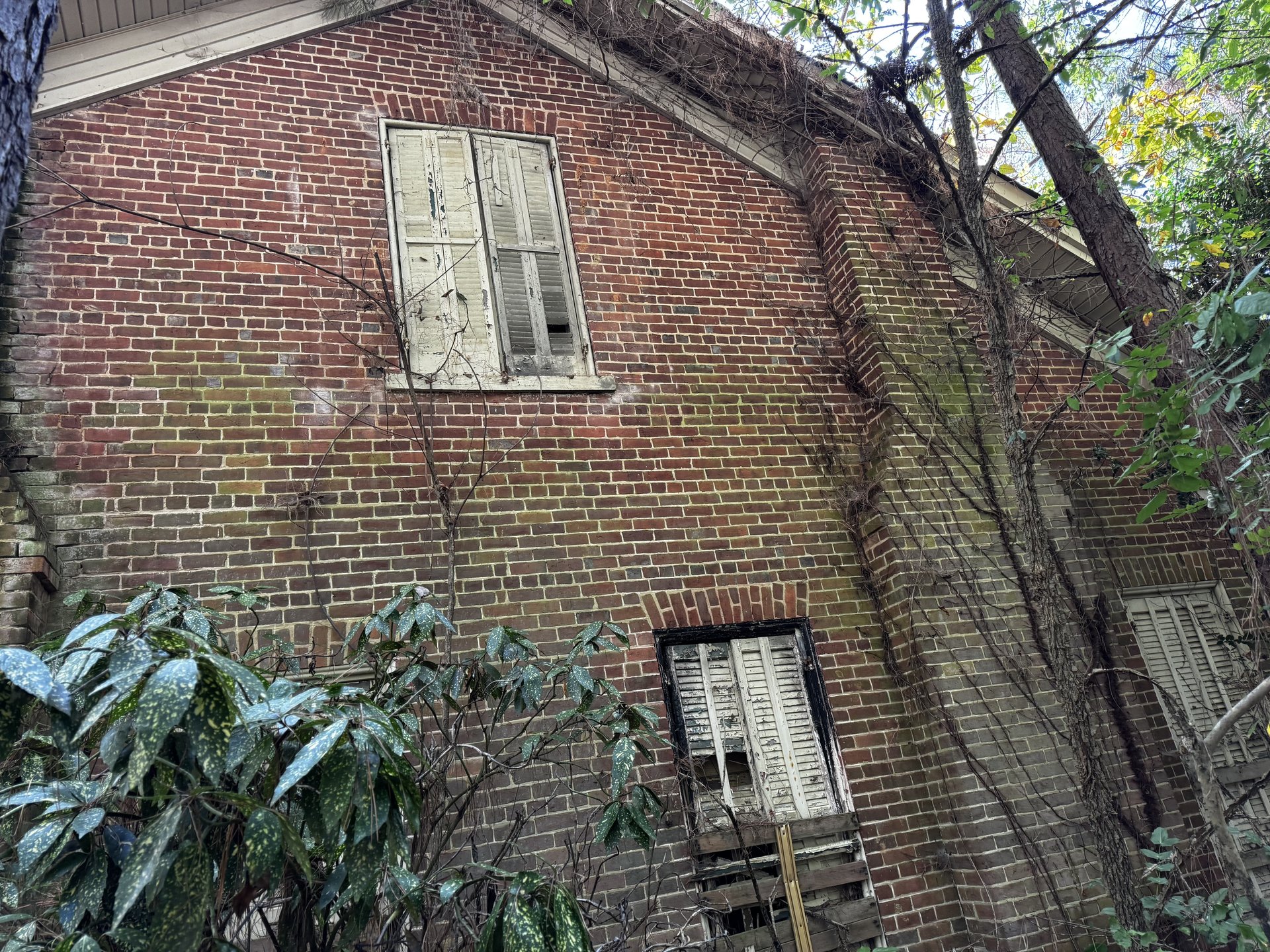
Following the war, the Keith family rebuilt the plantation home using bricks made from red clay sourced from the Etowah River. The new house faced the river and continued to serve as the center of the plantation’s agricultural life. Over time, the estate became a hub of local activity, with families and workers contributing to its ongoing story.
Archaeology and Early Inhabitants
The land of the Keith Plantation carries traces of human activity long before the Keiths arrived. Ancient pottery shards, arrowheads, and burial mounds reveal that Indigenous peoples once inhabited this fertile area. The juxtaposition of Native American history with the plantation’s more recent past adds to the layers of mystery surrounding the property.
Haunted Rumors
Today, the Keith Plantation is as famous for its ghost stories as for its history. Locals tell tales of strange lights flickering in the windows of the abandoned house, even on moonless nights. Some claim to hear footsteps in the long-overgrown hallways, echoing as if the old plantation workers still walk its corridors.
The most persistent legend involves Mackey A. Keith Jr. himself. People say his spirit roams the property, lingering near the tree from which he was hanged. Witnesses report a shadowy figure appearing at dusk, sometimes near the river, sometimes in the overgrown fields, as though retracing moments from that fateful day during the war.
Other reports describe cold spots, whispering voices, and fleeting apparitions of enslaved workers, perhaps caught between worlds. Some visitors have claimed that their cameras malfunctioned when pointed at certain corners of the house, as if the spirits themselves were resisting being recorded.
Even the surrounding cemetery is said to carry eerie energy. At night, visitors report seeing glowing figures and hearing voices calling out names long forgotten, a chilling reminder of the lives that once revolved around the plantation.
Post-War Changes and Legacy
Over the years, the property changed hands multiple times, shrinking from its original thousands of acres to a fraction of its former size. Despite the decline, the land maintains a connection to its past. Oral histories speak of parcels of land given to formerly enslaved people, forming the foundation of local African American communities. These legacies, coupled with the ghostly tales, make the Keith Plantation a complex symbol of both history and haunting.
Present-Day Status
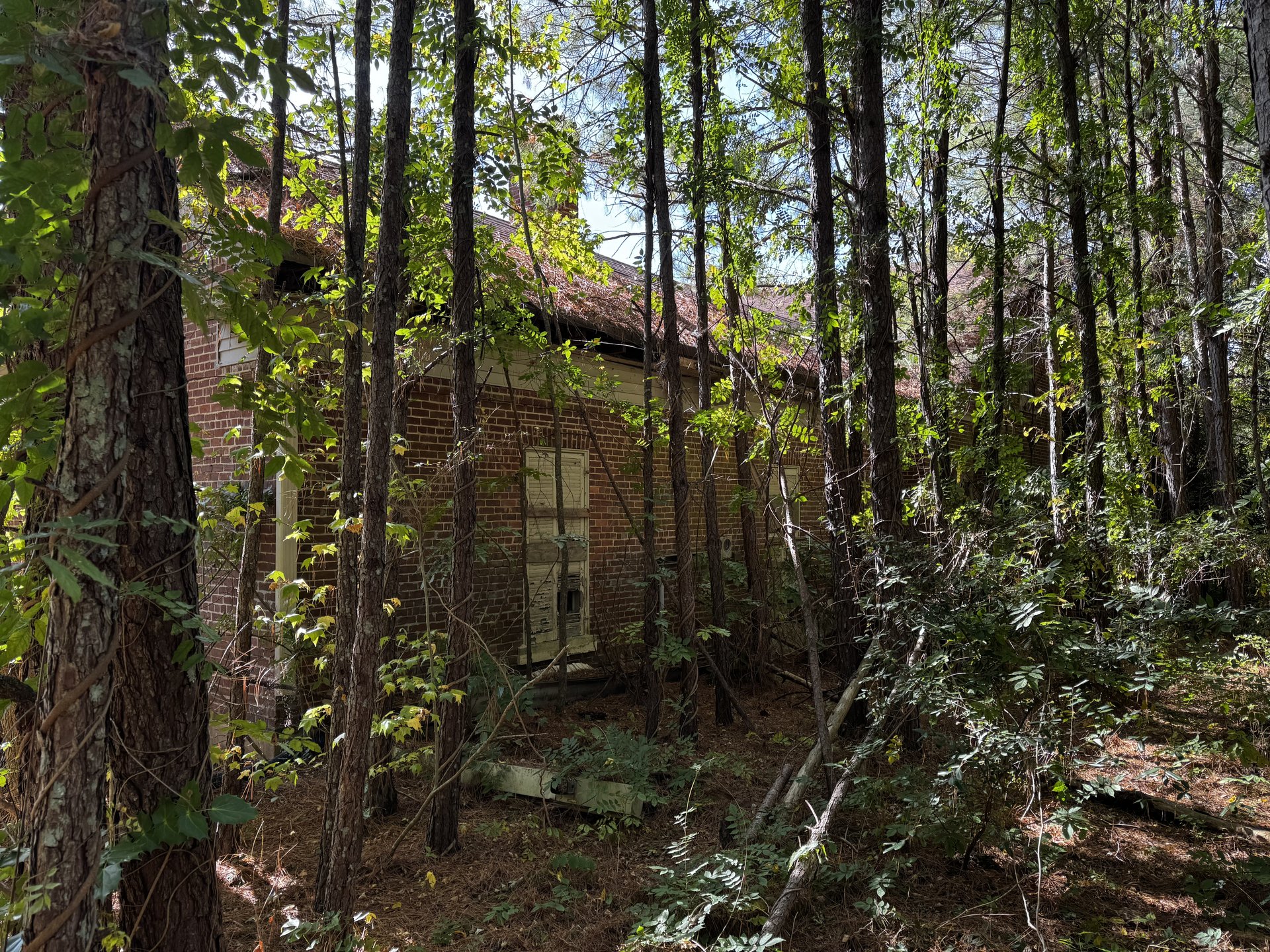
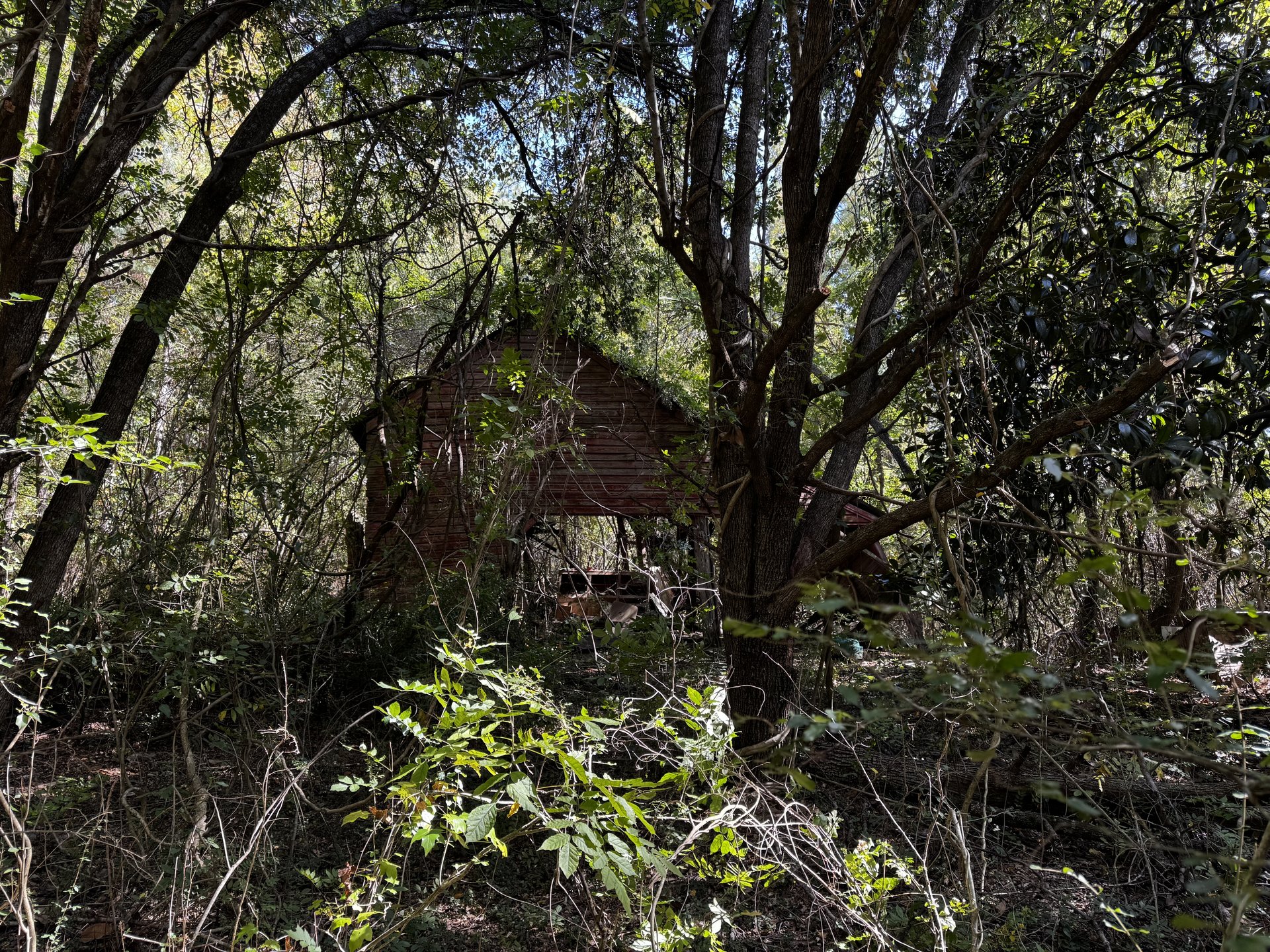
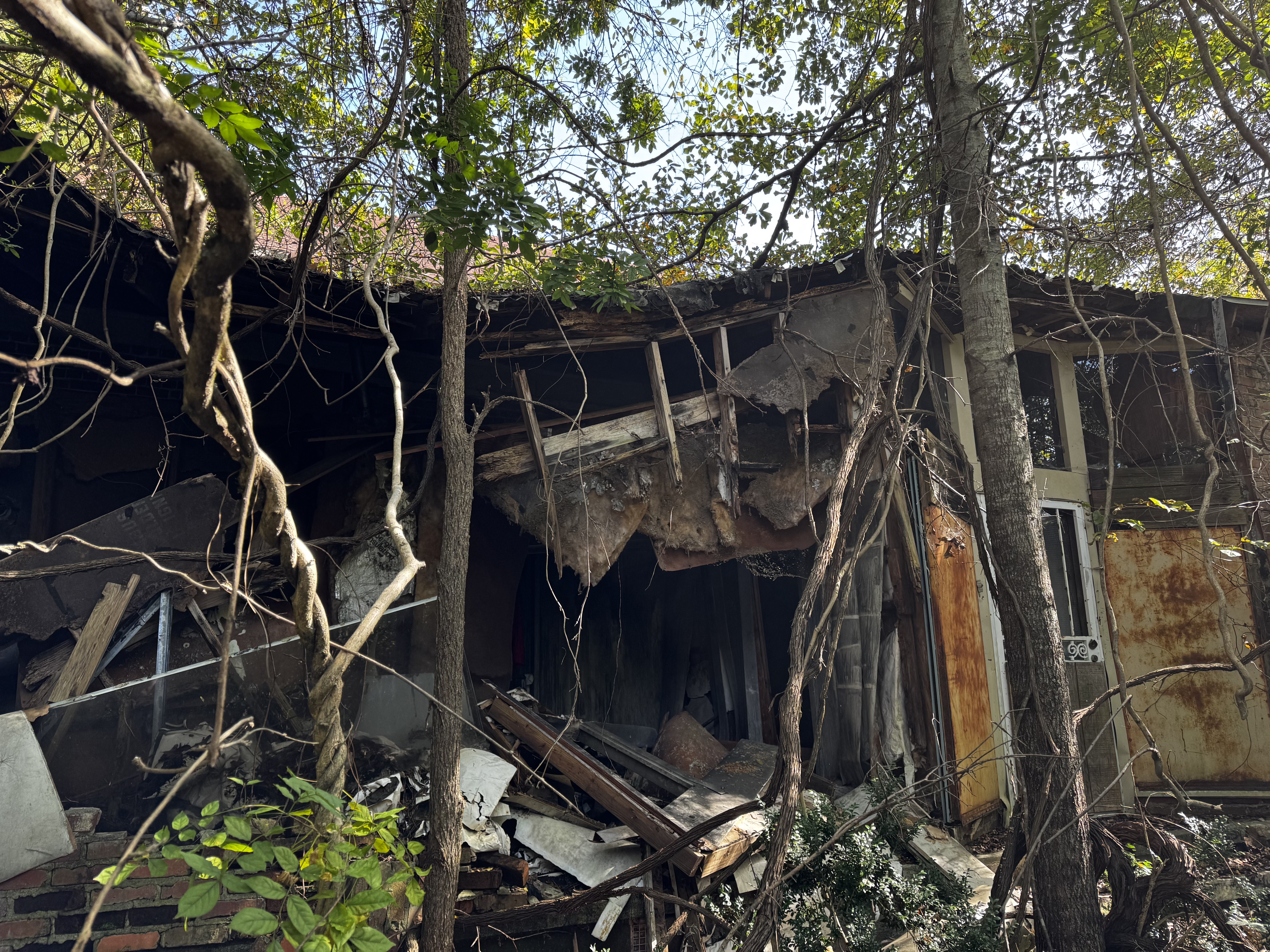
Today, the plantation sits largely abandoned. Overgrown with kudzu and surrounded by modern development, it is a place where history seems frozen in time. Yet, for those who visit at twilight, it is easy to believe that the past is never truly gone. The Keith Plantation stands as a testament to survival, community, and, for many, the restless spirits that linger in the shadows of its storied past.
Location Photos (4)
 jeremy
• Nov 22, 2025
jeremy
• Nov 22, 2025
 jeremy
• Nov 22, 2025
jeremy
• Nov 22, 2025
 jeremy
• Nov 22, 2025
jeremy
• Nov 22, 2025
 jeremy
• Nov 22, 2025
jeremy
• Nov 22, 2025