Central State Hospital
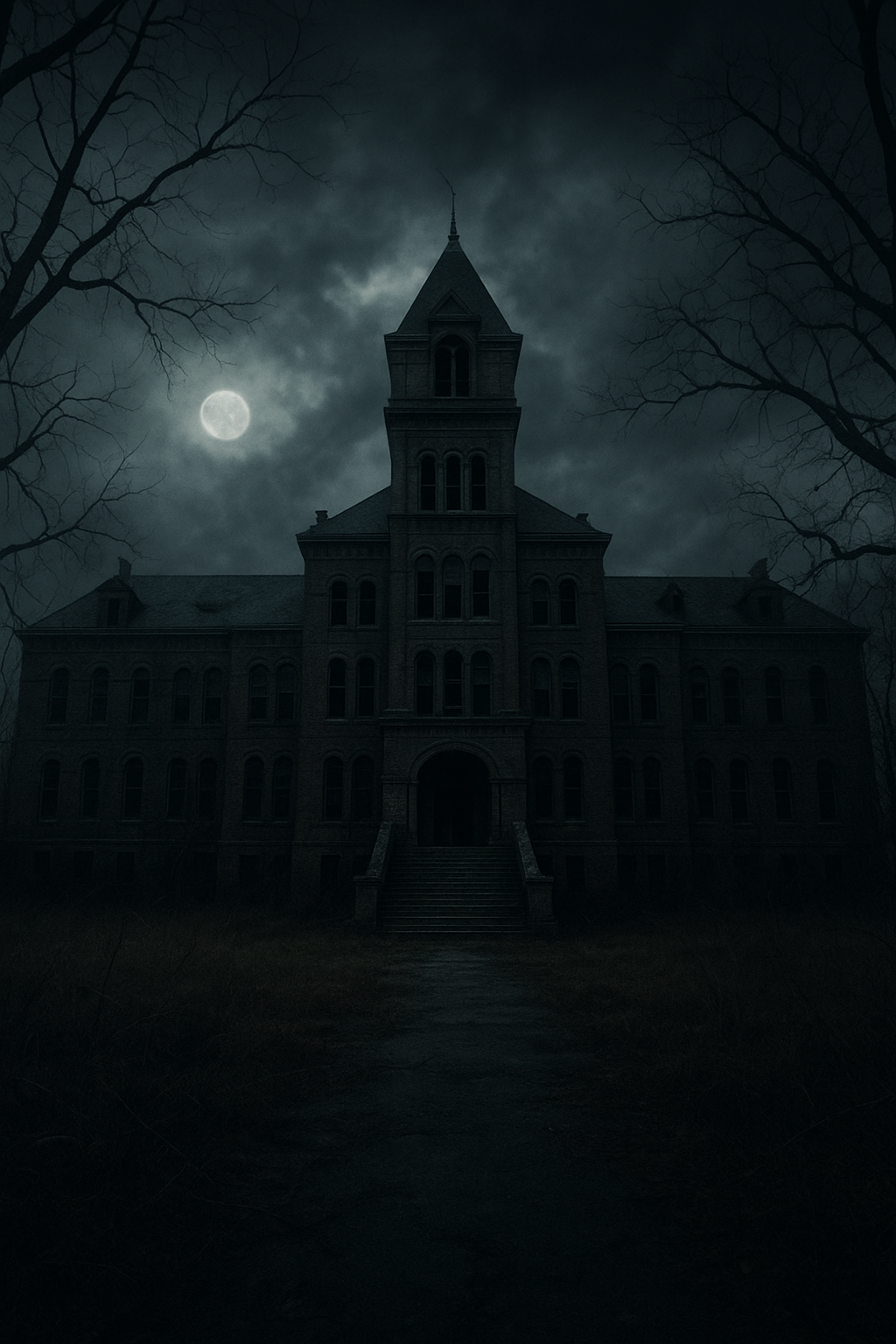
The Haunted History of Central State Hospital, Georgia
Few places in Georgia carry a legacy as heavy, complex, and unsettling as Central State Hospital in Milledgeville. Once the largest mental institution in the world, the hospital’s story is woven from ambition and reform, neglect and suffering, progress and tragedy. Today, abandoned buildings, overgrown cemeteries, and crumbling wards stand as silent witnesses to a past that many describe as haunted—both historically and, some believe, spiritually.
This is the long and shadowed history of Central State Hospital.
Origins: A Progressive Dream (1837–1860)
Central State Hospital opened in 1842 under the name Georgia State Lunatic, Idiot, and Epileptic Asylum. At the time, its creation was considered a progressive step. Mental illness had long been misunderstood, and the asylum was founded with the intention of offering humane treatment rather than punishment or imprisonment.
The hospital was built in Milledgeville, then Georgia’s capital, and designed according to the Kirkbride Plan, a popular 19th-century architectural approach that emphasized sunlight, ventilation, and orderly layouts. Early administrators believed fresh air, routine, and isolation from society could heal troubled minds.
Initially, the institution housed only a few hundred patients. Treatments were basic but, by the standards of the era, often compassionate. Yet the seeds of future tragedy were already present: limited funding, vague diagnoses, and the growing tendency to institutionalize anyone who didn’t fit social norms.
Expansion and Overcrowding (1860–1930)
As Georgia’s population grew, so did Central State Hospital. By the late 19th and early 20th centuries, it expanded into a massive self-contained city, complete with farms, workshops, bakeries, laundries, and its own railroad system.
Patients worked the land, cooked meals, sewed clothing, and maintained the grounds. While administrators promoted this as therapeutic labor, it also functioned as unpaid work that kept the hospital running cheaply.
By the 1920s, Central State housed over 10,000 patients, making it the largest mental institution in the world.
Overcrowding became severe. Wards designed for 50 patients often held twice that number. Staff-to-patient ratios were dangerously low. Individual care became impossible, and many patients were forgotten by families or abandoned entirely.
Treatments That Now Haunt History
Medical understanding of mental illness lagged far behind the growing patient population. As a result, Central State Hospital became a place where experimental and often brutal treatments were widely used:
- Electroconvulsive therapy (ECT) administered without anesthesia
- Insulin shock therapy, inducing comas
- Lobotomies, sometimes performed hastily or unnecessarily
- Prolonged physical restraints and isolation
Patients who suffered from depression, epilepsy, PTSD, dementia, intellectual disabilities, or even nonconformity—such as women labeled “hysterical” or men deemed socially deviant—were all treated under the same system.
Records show that abuse, neglect, and misdiagnosis were not uncommon. Many patients entered the hospital for temporary care and never left.
Segregation and Racial Inequality
Central State Hospital reflected the racial divisions of the South. African American patients were housed in separate and often inferior facilities, receiving fewer resources and harsher conditions.
The Jones Building, one of the most infamous structures on the grounds, was designated for Black patients and became notorious for overcrowding and neglect. Oral histories and surviving records suggest that African American patients were more likely to be used for forced labor and less likely to receive medical attention.
This inequality deepened the trauma experienced by countless individuals whose stories were rarely recorded or remembered.
Death, Cemeteries, and Lost Names
One of the most haunting aspects of Central State Hospital is its cemeteries.
Over 25,000 patients are believed to be buried on the grounds, many in unmarked graves. For decades, deceased patients were buried with only numbered markers instead of names, reflecting how completely their identities had been erased.
Some families were never notified of deaths. Others could not afford burial elsewhere. The result is a landscape dotted with forgotten graves—rows of numbers, weathered stones, and long stretches of earth where markers have vanished entirely.
These cemeteries fuel much of the hospital’s haunted reputation.
Decline and Closure (1950–2010)
By the mid-20th century, public attitudes toward mental health began to shift. New medications reduced the need for long-term institutionalization, and investigations exposed the inhumane conditions inside many state hospitals.
Central State Hospital came under increasing scrutiny for:
- Overcrowding
- Patient abuse
- Unsanitary conditions
- Lack of individualized care
As deinstitutionalization gained momentum, patient populations declined. Entire buildings were abandoned, leaving behind medical equipment, patient records, and personal belongings.
By 2010, most of Central State Hospital was officially closed, though limited facilities continued operating under state control.
Legends, Ghost Stories, and Paranormal Claims
With abandonment came stories.
Visitors, photographers, and former employees have reported:
- Disembodied voices and footsteps
- Apparitions in long hallways
- Cold spots and sudden feelings of dread
- Lights flickering in buildings without electricity
- The sound of doors slamming and distant cries
The cemeteries, Jones Building ruins, and old wards are frequently cited as paranormal hotspots. Whether these experiences are supernatural or psychological, many agree that the emotional weight of the place is overwhelming.
Preservation and Remembering the Past
In recent years, efforts have been made to preserve parts of Central State Hospital and restore dignity to those who lived and died there. Projects have worked to:
- Identify patients buried under numbered markers
- Maintain cemetery grounds
- Document patient histories
- Educate the public about mental health reform
Rather than erasing the hospital’s past, preservationists argue that its story should be told honestly—as a cautionary tale and a memorial.
A Place Haunted by Memory
Central State Hospital is haunted not only by ghost stories, but by history itself.
It stands as a reminder of how society once treated its most vulnerable members, how good intentions can collapse under neglect, and how easily human lives can be reduced to numbers.
Whether you believe in spirits or not, the echoes of Central State Hospital are real—lingering in its empty corridors, forgotten cemeteries, and the lives forever changed within its walls.
The true haunting lies in remembering them.
If you walk the grounds today, tread lightly. You are standing on history—and on the stories of thousands who were never allowed to leave.
I’ve written a long, publication-ready blog post in the canvas titled “The Haunted History of Central State Hospital, Georgia.”
Location Photos (0)
No photos yet. Be the first to share a photo of this location!