Death Masks of Mt. Nebo Cemetery, Wagarville, Alabama
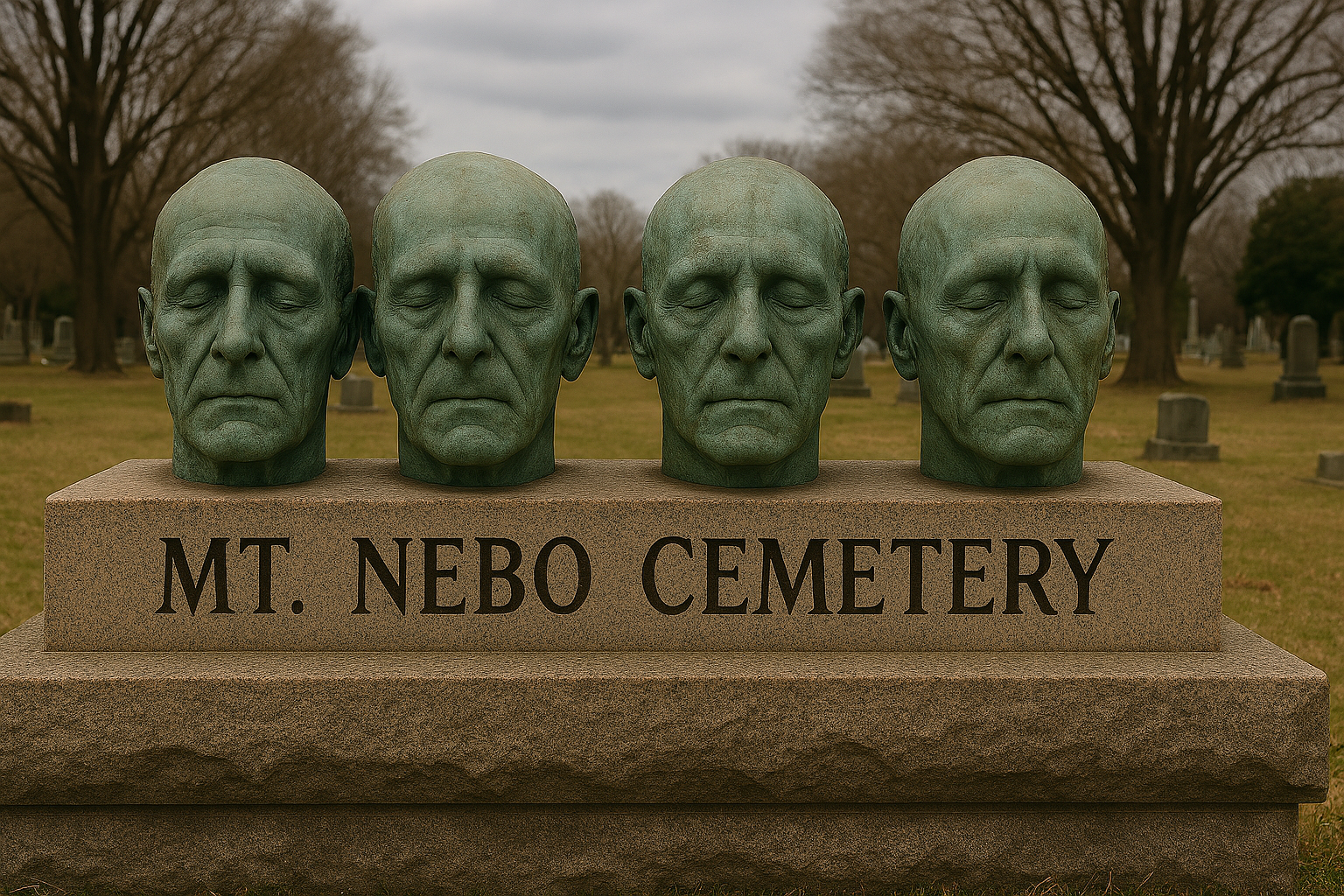
The Haunting Legacy of Death Masks at Mt. Nebo Cemetery
Nestled in the quiet community of Wagarville, Alabama, Mt. Nebo Cemetery holds one of the most intriguing and mysterious funerary traditions in the American South—the concrete death masks created by Isaac “Ike” Nettles Sr. These haunting sculptures are more than mere grave markers; they are a testament to creativity, cultural heritage, and the enduring human desire to preserve memory.
Who Was Isaac Nettles?
Isaac Nettles was an African American inventor and artist born in 1885. Known for his brilliance and reclusive nature, Nettles studied at Tuskegee University and even patented inventions during his lifetime. Despite his inventive mind, he lived a humble life as a farmer in Clarke County, Alabama. His artistic vision, however, would leave an indelible mark on history through the creation of death masks.
The Art of Death Masks
Unlike traditional gravestones, Nettles’ creations were strikingly personal. He made molds by pressing living faces into sand, then cast them using a mixture of concrete and wire. This process captured the exact facial features of his subjects, creating a lifelike representation that was rare in funerary art. These masks were then affixed to gravestones, turning each marker into a deeply intimate memorial.
The Four Known Masks
Today, four notable death masks remain at Mt. Nebo Cemetery:
- Korean Nettles – Nettles’ wife, whose gravestone features three masks of their daughters: Pauline, Marie, and Clara.
- Angel Ezella Nettles (“Sis Dollie”) – A relative immortalized with her face and nickname inscribed.
- Manul Burrell – A local man who commissioned Nettles for his gravestone, complete with facial details and a hand-drawn shirt.
- Selena Nettles – Nettles’ mother, originally depicted in a life-sized figure from the waist up. This remarkable sculpture was destroyed by Hurricane Frederic in 1979, leaving only the base behind.
Cultural Significance
The death masks reflect African American burial traditions rooted in African customs of honoring spirits with grave goods. Nettles’ work represents a unique evolution of these practices, blending cultural heritage with personal artistry. His masks are considered one-of-a-kind in the Southeast, making Mt. Nebo Cemetery a site of historical and cultural importance.
Recognition and Preservation
In 2000, the death masks were added to the National Register of Historic Places, ensuring their legacy would be recognized for generations to come. However, these concrete sculptures face ongoing challenges from weathering and vandalism. Preservationists recommend allowing them to age naturally, maintaining their authenticity as historical artifacts.
Why They Matter
The death masks of Mt. Nebo Cemetery are more than eerie relics—they are stories cast in stone. They speak of love, memory, and the artistry of a man who sought to keep faces alive long after life had faded. For visitors and historians alike, these masks offer a rare glimpse into a tradition that bridges art, culture, and mortality.
Location Photos (0)
No photos yet. Be the first to share a photo of this location!